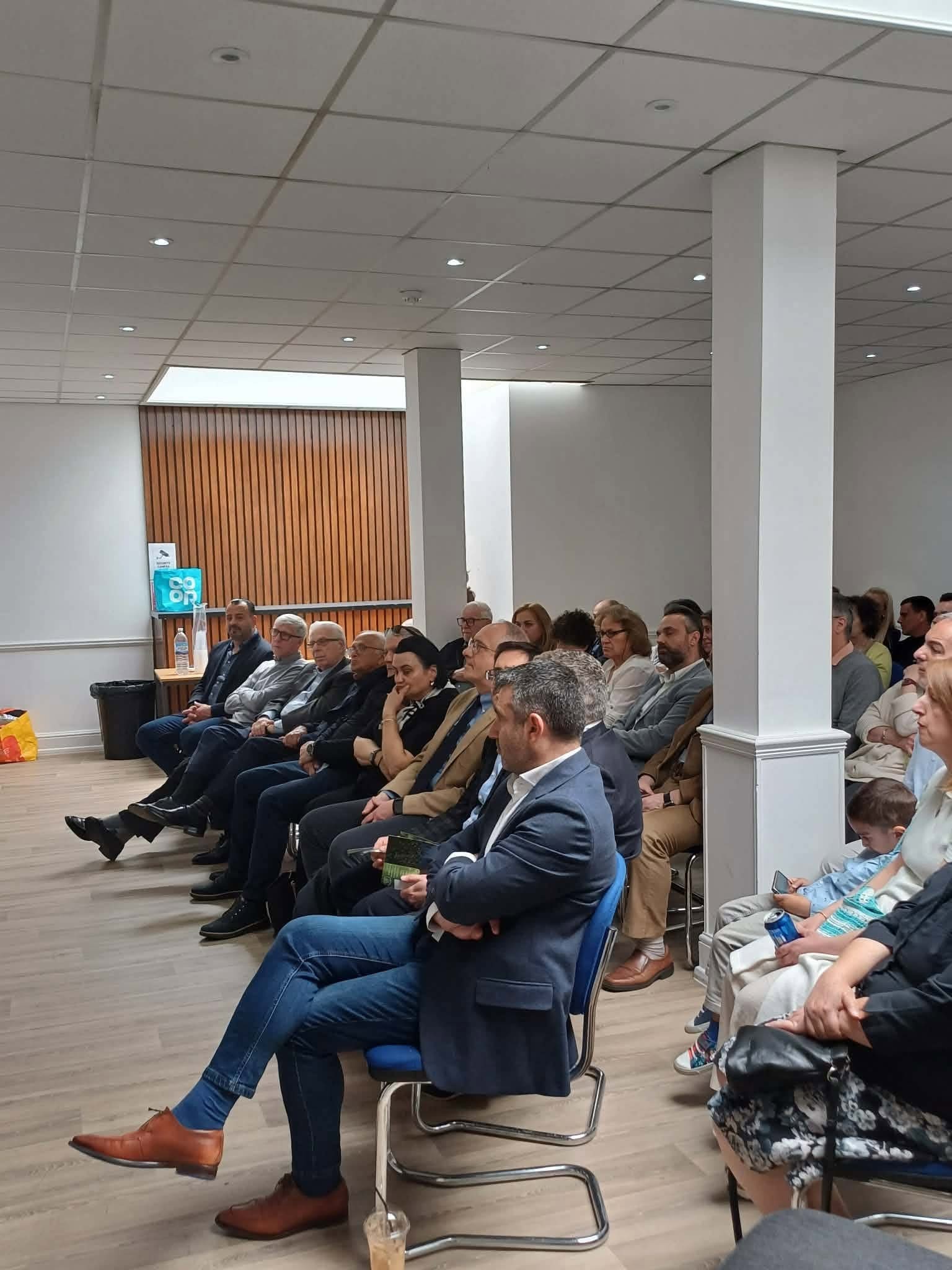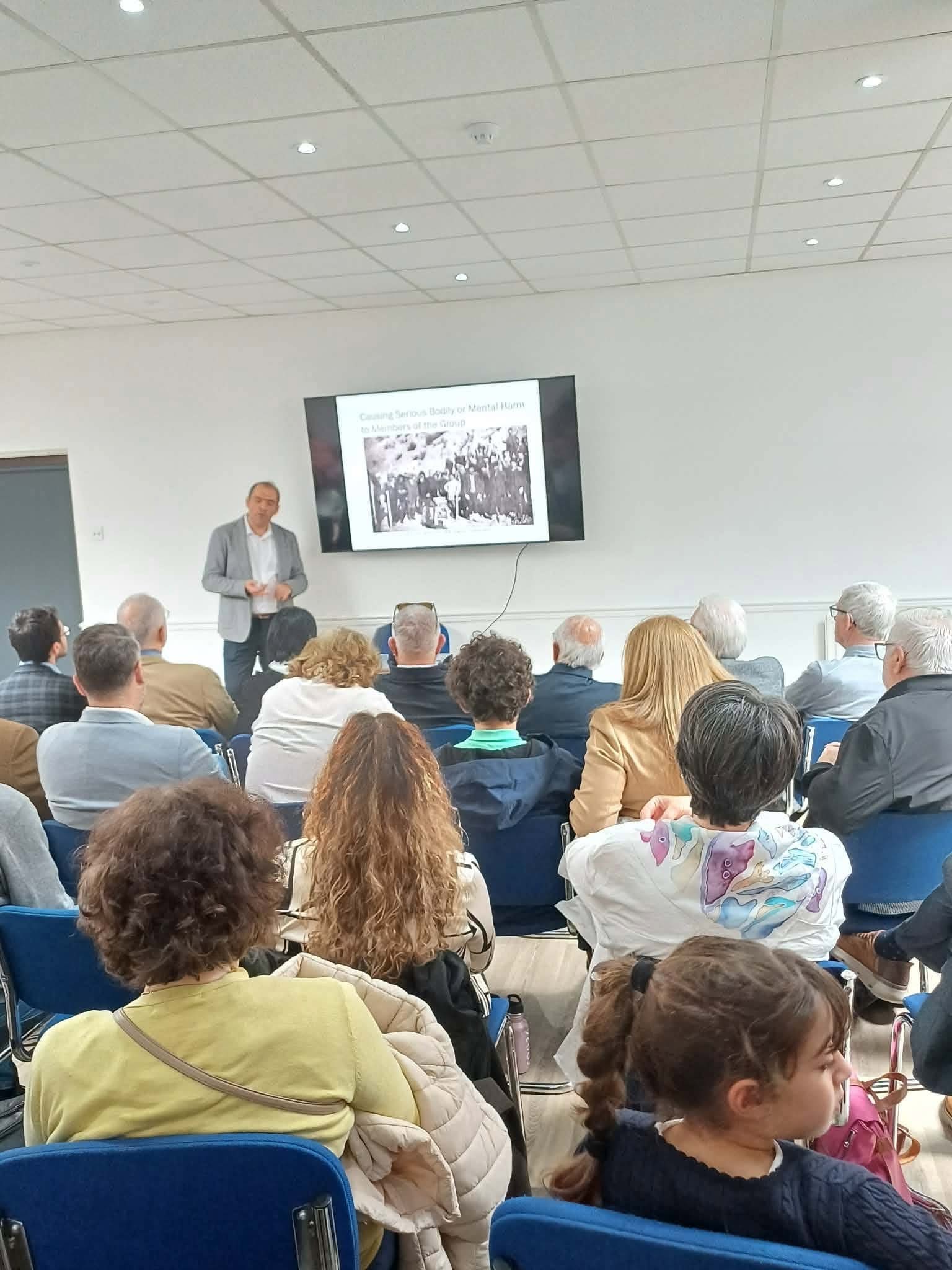
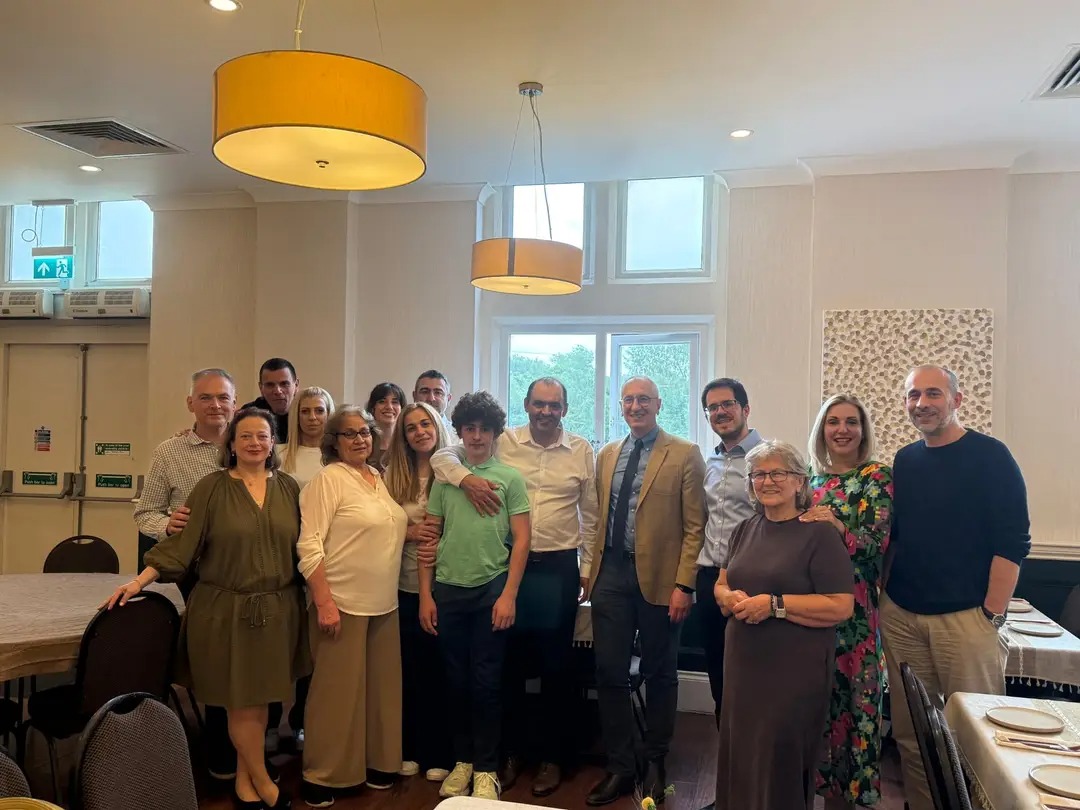
On 7 June 2026, a successful and thought-provoking event organised by Ithaca Birmingham and AHEPA Midlands brought together members of the Greek, Cypriot, and wider local community for a presentation by Dr Charalampos Kotidis entitled “The Genocide of the Greeks of Pontus: Implications for the Present and the Future.”
Among the distinguished guests in attendance was the Consul of Greece in Manchester, whose presence honoured the event and reflected its importance to the Greek community.
The organisers would also like to acknowledge the Birmingham Greek Cypriot Community Council for generously providing the venue and supporting an event that encouraged education, reflection, and constructive dialogue within the community.
During his presentation, Dr Kotidis examined the rich history of the Pontic Greeks, tracing their presence in the Black Sea region from antiquity through successive periods of Greek, Roman, Byzantine, and Ottoman history. He highlighted the remarkable cultural, economic, and educational achievements of the Pontic Greek communities and their contribution to the wider Hellenic world.
The presentation then explored the events of 1914–1923, during which the Greek populations of Pontus, alongside other Christian communities of Asia Minor, were subjected to persecution, deportation, forced displacement, and mass killings. Drawing upon historical evidence and international legal scholarship, Dr Kotidis discussed the emergence of genocide as a concept in international law and examined how the experiences of Armenians, Greeks, and Assyrians influenced the work of Raphael Lemkin, whose efforts eventually led to the adoption of the United Nations Genocide Convention.
A key theme of the presentation was the importance of historical memory. Dr Kotidis emphasised that recognition and understanding of historical injustices are not solely matters of the past; they are essential for fostering democratic values, protecting human rights, and strengthening society’s ability to identify and resist the conditions that can lead to persecution and mass violence.
The second part of the presentation broadened the discussion to contemporary Greece and the challenges facing the country today. Using demographic and socioeconomic data, Dr Kotidis explored issues including population decline, low fertility rates, ageing demographics, migration trends, public health outcomes, and the long-term consequences of the economic crisis and prolonged austerity measures.
Particular attention was given to the demographic transformation of Greece over the past two decades. The discussion examined declining birth rates, the persistent imbalance between births and deaths, the emigration of significant numbers of young and highly educated Greeks during the financial crisis, and the implications of these trends for the country’s future economic and social development. These challenges were presented not merely as statistical indicators but as issues with profound consequences for national cohesion, economic sustainability, and cultural continuity.
The presentation encouraged attendees to reflect on the relationship between historical experience and contemporary realities. By examining both the destruction of communities in the past and the demographic challenges of the present, participants were invited to consider how societies can learn from history and respond effectively to emerging threats and long-term structural challenges.
The event generated a lively and engaging discussion, with attendees contributing thoughtful questions and observations. The exchange of ideas demonstrated the continued relevance of historical scholarship, civic engagement, and community dialogue in addressing both the legacy of the past and the uncertainties of the future.
The evening served as a valuable opportunity to strengthen historical awareness, encourage critical reflection, and foster meaningful connections across generations within the Greek and Cypriot communities of the Midlands and beyond.